Enterprise Fleet Management in Canada: How Businesses Benefit from Going Electric
Enterprise fleet management is changing fast. This guide covers what modern electric fleet management looks like for Canadian businesses, including the real costs of traditional fleet operations, key platform features, and how to choose the right fleet management partner for the transition to EVs.
Enterprise fleet management involves overseeing the acquisition, maintenance, tracking, and disposal of a company's vehicles. For Canadian businesses transitioning to electric, modern fleet management integrates charging infrastructure, energy monitoring, and predictive maintenance into one system, reducing operational complexity and total cost of ownership.
1. What Is Enterprise Fleet Management and Why Is It Changing?
Enterprise fleet management covers the full lifecycle of a company's vehicles: acquisition, driver assignment, maintenance scheduling, fuel or energy management, compliance, and end-of-life disposal. Traditionally this meant working with dealerships, fuel card providers, maintenance vendors, and fleet management services that operated independently.
What is changing is integration. Electric vehicles require charging setup that gas vehicles never did. They generate telematics data that enables predictive maintenance in ways diesel fleets cannot match. Cloud-based fleet management platforms now support scalable architecture for growing organizations, helping turn analytics into better fleet decisions faster than legacy systems allowed.
For Canadian businesses, the shift is also regulatory. The federal government's own vehicle fleet transition targets signal the direction of travel for both public sector organizations and private sector clients. Recent tariff announcements affecting vehicle pricing have added further urgency to fleet planning timelines. Urban development in major Canadian cities is also accelerating demand for zero-emission last-mile operations, making fleet electrification both a compliance and a competitive priority.
2. The Real Cost of Managing a Traditional Vehicle Fleet
The visible costs of vehicle fleet management are straightforward: leasing payments including closed end lease and equity lease structures, vehicle financing, fuel, insurance, and scheduled maintenance. The hidden costs are where traditional services fall short, and where clients who have done a proper cost analysis often find the most opportunity to save money and reduce cost across their own fleets.
Unplanned downtime is the most expensive hidden cost. A van off the road for an unscheduled repair costs more than the repair itself. Replacement vehicles, missed deliveries, and driver reassignment all compound the impact. Traditional fleet automotive models rely on reactive maintenance, which limits fleet performance and makes it harder for organizations to improve efficiency and optimize business operations.
Disposal is a cost many fleet managers underestimate. Enterprise fleet cars depreciate, and the timing of disposal directly affects overall costs. In a traditional model, this decision relies on judgment rather than data and automotive expertise, which means clients often leave money on the table and miss chances to find savings across their own fleets.
3. How Electric Vehicles Are Reshaping Fleet Management Services
EVs change the economics and data systems of fleet operations at every stage.
Lower operating costs. EVs cost less per kilometre to run than gas equivalents and have fewer moving parts. Brake wear is reduced through regenerative braking. There are no oil changes, no transmission services, no exhaust system repairs. For public sector organizations and private businesses alike, a better fleet program means lower costs and stronger sustainability performance across various sectors.
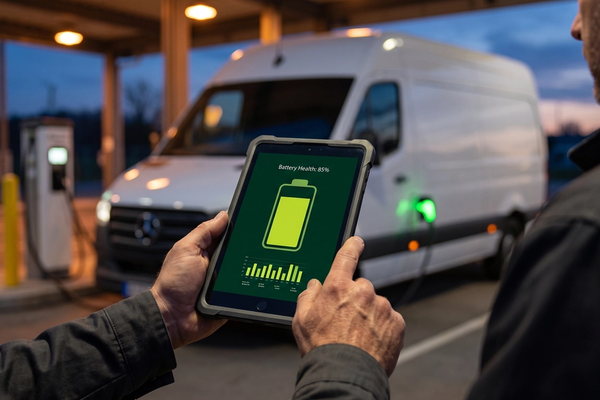
Predictive maintenance. Electric fleet management systems collect continuous data on battery health, motor performance, and charging patterns. Award winning technology platforms combine analytics with maintenance history, helping turn analytics into real recommendations rather than guesswork. This improves driver safety, reduces unplanned downtime, and gives organizations better visibility into future maintenance costs.
Carbon credits. Canadian businesses operating zero-emission enterprise fleet vehicles can generate carbon credits under the federal Clean Fuel Regulations and provincial programs. These credits offset fleet operating costs and strengthen the business case for fleet electrification. For a full breakdown, see Unlocking the Economics of EV Fleets with Carbon Credits.
4. Key Features of a Modern Electric Fleet Management System
Fleet Location Tracking and Telematics
Real-time fleet location tracking gives operations teams visibility into every vehicle in the fleet at any moment. Telematics systems on electric enterprise fleet vehicles capture battery state of charge alongside location, so dispatchers can pinpoint opportunities to charge before vehicles go out of range. Geofencing technology helps prevent unauthorized vehicle use and aids in asset recovery, supporting fleet compliance and driver safety across every fleet day of operation.
Maintenance Scheduling and Cost Predictability
A modern electric fleet management system schedules maintenance based on telematics data rather than fixed intervals, shifting operations from reactive to predictive. Predictive maintenance uses AI and historical data to anticipate specific vehicle part failures before they result in unplanned repairs. For Canadian businesses managing enterprise fleet cars across multiple locations, centralised scheduling through one platform eliminates the coordination burden of working with multiple regional service providers.
Charging Management and Energy Monitoring
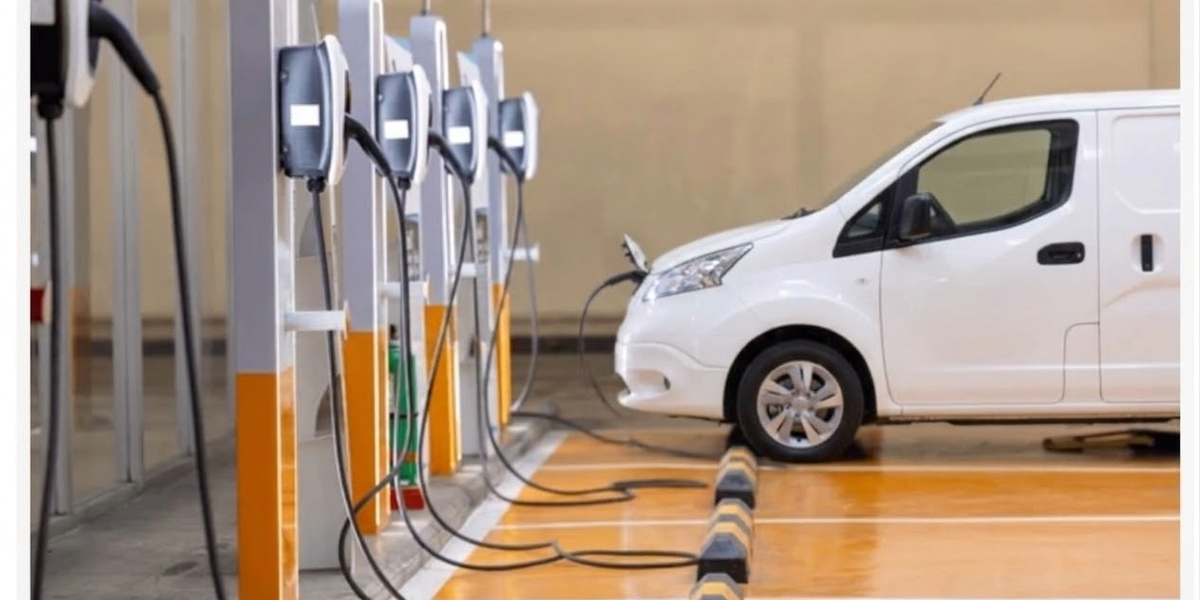
Charging management is the capability most distinct to electric fleet management solutions. Depot charging needs to be scheduled to avoid peak energy demand charges, balance load across charging stations, and ensure every vehicle is ready at the start of each shift. A well-run exceptional fleet program uses energy monitoring data to reduce costs month over month. The federal Zero Emission Vehicle Infrastructure Program (ZEVIP) can fund up to 50% of eligible depot charging costs. For a complete deployment guide, see EV Fleet Charging: The Complete Guide to Deploying Charging Infrastructure for Commercial Fleets.
5. How Canadian Businesses Are Making the Transition
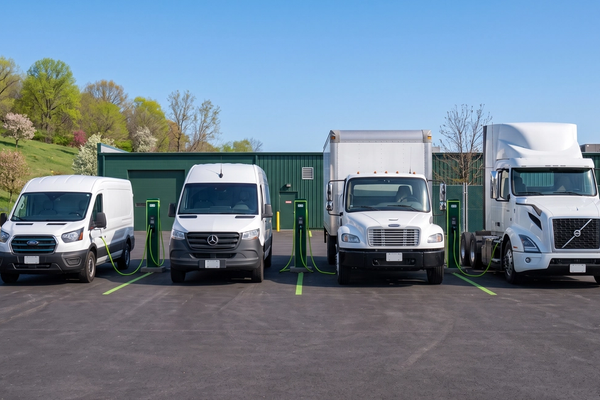
The most common approach is phased replacement. Rather than converting an entire fleet at once, businesses identify the highest-utilisation routes where EV range is sufficient, deploy electric enterprise fleet vehicles there first, and expand as operational confidence grows. Fleets start with their highest-mileage routes, combining analytics with operational data to recommend enterprise fleet decisions one step at a time.
Key steps in a successful transition:
- Route analysis. Match vehicle range to actual route requirements. Combining analytics with route data helps pinpoint opportunities to find savings early.
- Charging infrastructure planning. Depot charging must be in place before vehicles arrive. Charger type, grid capacity, and energy management are as important as the vehicle decision.
- Driver training. Pre-conditioning, regenerative braking, and cold weather range management require a short adjustment period, which an experienced team handles as part of onboarding.
- Data integration. A platform connecting telematics, charging, maintenance, and cost data into one view makes the transition trackable across fleet day operations.
- Fleet planning strategies. Build a fleet program roadmap accounting for vehicle replacement cycles, incentive timing, and charging capacity across various sectors.
- Incentive capture. Federal iMHZEV rebates and provincial programs reduce acquisition costs. Build eligibility checks into every vehicle procurement decision.
For a step-by-step framework, see Planning and Executing an EV Fleet Transition.
6. Choosing the Right Fleet Management Partner in Canada
The enterprise fleet market in Canada includes large national providers, regional operators, and EV-specialist companies. The world's largest fleet operators have learned that automotive expertise in EVs is a fundamentally different skill set than managing gas fleets at scale.
What to look for:
- EV-specific expertise. Ask about charging technology experience, energy management capabilities, and battery warranty handling. Ask for success stories from clients in various sectors.
- Client strategy managers and dedicated support. The best enterprise fleet management team relationships are people driven, with local client strategy manager contacts who understand your routes and operational requirements. Know whether you are getting hands on management or a hands off partnership before you commit.
- Integrated fleet management solutions. Fleet location tracking, maintenance scheduling, charging management, and billing should be combined in one system. The right approach helps clients navigate complexity rather than adding to it.
- Canadian market knowledge. Incentive programs, cold weather operations, provincial regulations, and grid setup vary significantly across Canada. A partner that remains committed to Canadian fleet electrification will also help your own fleets attract staff and improve transportation operations across regions.
- Transparent pricing. All-in-one monthly billing covering the vehicle, charging, and maintenance makes total cost easier to track and forecast. Clients benefit from support that turns insights into the best decision for their situation.
7Gen provides enterprise fleet management solutions for Canadian businesses transitioning to electric vehicles, covering vehicle access, charging, energy management, and maintenance under a single monthly cost. We remain committed to helping clients find savings and recommend enterprise fleet strategies suited to their size, sector, and operational profile. Connect with the 7Gen team to build an exceptional fleet program suited to your routes, fleet size, and future requirements.
→ Use our free TCO Calculator to compare EV vs. ICE fleet costs for your operation.
→ See how much your fleet could earn with our Carbon Credit Revenue Estimator.
Ready to Electrify Your Fleet?
Get expert guidance on transitioning to electric vehicles. Our team is ready to help.
Get a Quote